
For nearly two decades, Facebook didn’t just dominate social media—it defined it. The feed, the likes, the comments, the endless scroll. But the cracks are obvious now. Engagement is fragmented, younger users are elsewhere, and trust in centralized platforms is thin at best. So the real question isn’t whether Facebook’s era ends—it’s what replaces it.
The Decline of the “Everything Feed”
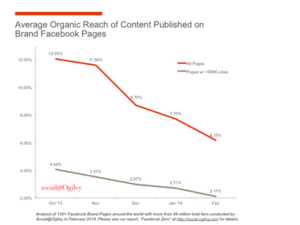
Facebook tried to be everything: news, family album, marketplace, events board, messaging hub. That ambition worked—until it didn’t. Today, the feed feels crowded, noisy, and algorithmically forced. Users don’t feel seen anymore; they feel managed.
Meanwhile, attention has moved away from public posting toward private spaces: DMs, small groups, niche communities. Broadcasting your life to 800 “friends” is starting to feel outdated.
The Shift: From Platforms to Experiences
The post-Facebook world won’t be built around one giant app. It will be fragmented, intentional, and contextual.
Here’s what’s clearly emerging:
1. Interest-First, Not Friend-First
Platforms like TikTok flipped the model. You don’t follow people—you follow signals. Algorithms now care less about who you know and more about what holds your attention. That’s not a bug; it’s the new default.
2. Smaller, Private Digital Rooms
Communities are moving into closed spaces: Discord servers, WhatsApp groups, Slack-style hubs. These aren’t social networks—they’re social infrastructure. Less noise, more relevance.
3. Creator-Centric Economies
In the post-Facebook era, creators won’t beg algorithms for reach. They’ll own their audience through newsletters, gated communities, and direct monetization. Platforms like Substack and Patreon didn’t appear by accident—they’re a reaction.
4. AI as the New Interface
AI won’t just recommend content—it will mediate relationships. Expect social platforms where AI curates conversations, summarizes group activity, filters drama, and even helps users express ideas more clearly. Social friction will be optimized away.
5. Decentralization and Identity Control
Trust is broken. Users increasingly want control over identity, data, and moderation. Decentralized networks and protocol-based platforms won’t replace everything—but they’ll pressure big players to loosen their grip.
What Facebook (Now Meta) Is Really Afraid Of
Meta isn’t dying—but it’s defensive. VR, the metaverse, AI assistants—these are attempts to reset the board. The fear isn’t competition; it’s irrelevance. Facebook knows that once social behavior shifts, platforms don’t get second chances.
History is brutal that way. Ask MySpace.
https://www.youtube.com/watch?v=Vcqgw5zWtDQ
The Bottom Line
The future post-Facebook isn’t one app. It’s a social ecosystem:
Fewer public feeds
More private, purpose-driven spaces
AI as an active participant, not just a background algorithm
Creators owning audiences, not renting them
Users demanding control, not convenience
Facebook taught the world how to connect at scale. The next era will teach us how to connect with intention.
And once users taste that, there’s no going back.